Passerines
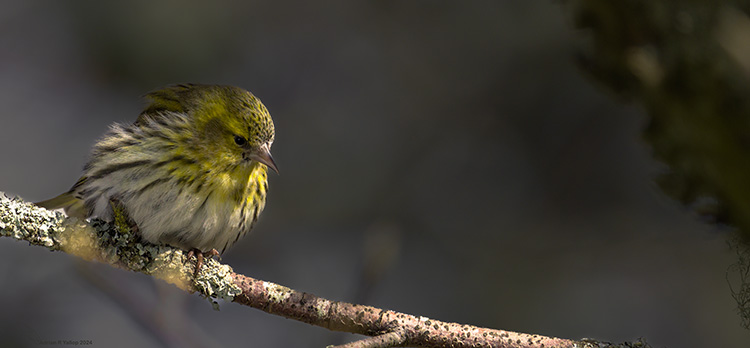
This group probably encompasses around 60% of all bird species. Named from the Latin for sparrow, often referred to as 'perching birds' and includes the 'song birds'.

Because this group is so humungous I've seperated some groups of Passerines here, e.g. Corvids, and cover these separately. I mean I didn't have to I suppose, I just did, get over it!
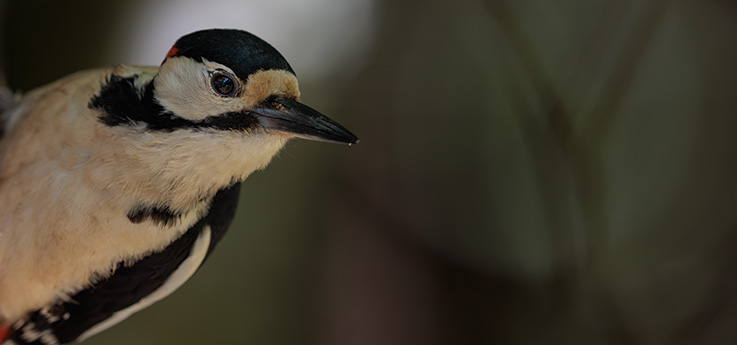
'pecker, and cuckoo
One difficulty for someone trying to organise a website of pretty bird pictures is how to organise families that only have a few representative species in UK.

So, until I can get back to the good ol' USA, antipodes or even England (!), this is an 'odd' section of two groups, 'peckers and cuckoo. In Scotland, that's only one species each!
Raptors
Named from the latin 'Raptare' meaning to seize or grasp, generally called Birds of Prey.

Seabirds: Gulls, terns et al.
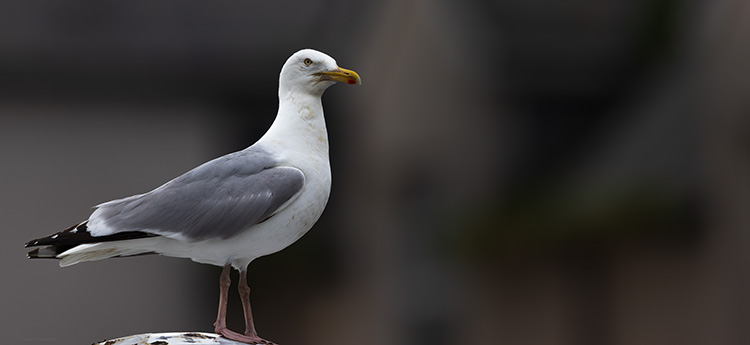
Not a pure taxonomic group here, but a somewhat eclectic mix of some of the birds you might reasonably see looking out to sea!
Pelicaniformes: Ibises, Herons et al.
A large group, a somewhat 'fluid' taxonomy, generally tho', using less scary words, they mostly have long legs!

Waders
A few of this enchanting group, enjoy.

Ducks & Geese
Some go quack, most don't. A medley of duck, a few gooses, and a swan.

Rails & Grebes
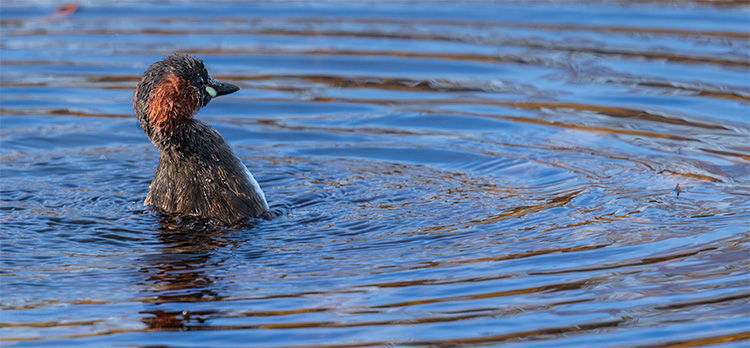
a small selection of these typical waterbirds

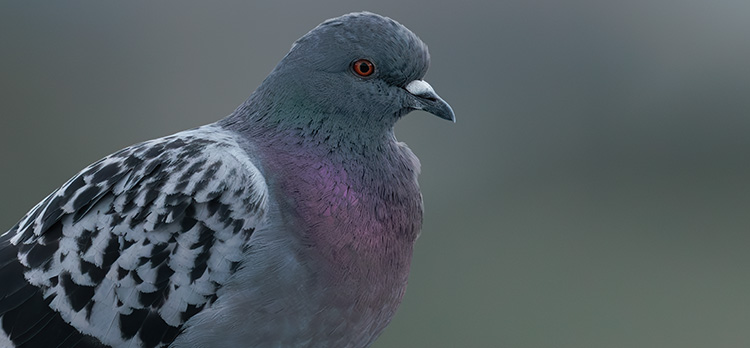
Columbids :pigeons & doves
Only three species here at the mo', actually 75% coverage of UK species (!) and they're pretty enough

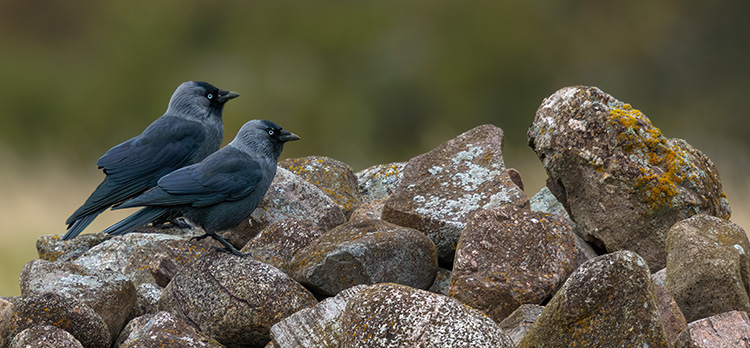
Corvids, and Starlings
Corvids are robust, large, and very intelligent birds, just how intelligent may surprise many folk. Some Corvids are able to solve complex puzzles, not things like crosswords or anything, they find those quite dull. Many others use, and even make tools, these aren't Makita drills for sure, but they are cordless, and totally recyclable.

I include the closely related Starlings here, highly gregarious birds that prefer open habitat where they search for food, a mix of insects and fruits when available. If corvids are the puzzle masters starlings are masters of vocalisation and mimicry, frequently incorporating snippets of sounds like car-alarms, drills and the like into their calls. They can also do a goodly impression of groups of human voices. There are nearly 130 species worldwide, currently of course, only the one species here, till someone pays me to go to Africa and Asia gain, any offers?